
Events
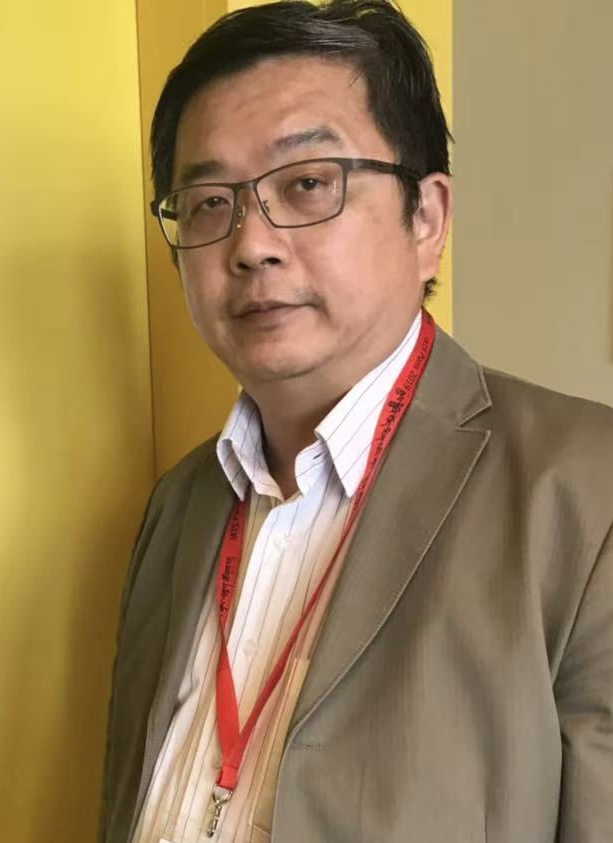
A Comparative Analysis of the Zhu Pin Ji Zhou Jing (Collection of Various Dharanis and Sutras) in the National Palace Museum Collection and Related Tibetan Dharani Collections (gzungs ‘dus/bsdus)
The National Palace Museum houses a vast collection of Qing court Buddhist texts. Among them, the Zhu Pin Ji Zhou Jing (Collection of Various Dhāraṇīs and Sūtras) has garnered significant scholarly attention regarding its textual lineage and editorial content. This talk aims to explore the close relationship between the Museum’s version and the Tibetan gzungs ‘dus (Dhāraṇī collection) tradition through philological analysis, with a specific focus on the version lineage compiled by the Jonang master Tāranātha (1575–1634).
We will outline the developmental history of the gzungs ‘dus in Tibet, elucidating how it evolved from early, scattered compilations of mantras into standardized, function-oriented practice manuals (addressing needs such as pacification and enrichment). The talk will then analyze the distinctive features of Tāranātha’s version, including his selection criteria, the logic behind the arrangement of the dhāraṇīs and scriptures, and his unique ritual perspectives. Finally, I will discuss how this specific version transcended sectarian boundaries, was transmitted to the Qing court via Mongolia, and was subsequently produced and reconfigured under Qing imperial religious policies. By comparing the similarities and differences between the Museum’s holding and texts from Tibetan regions, this study reveals the selection mechanisms and the characteristics of courtly adaptation involved in the Qing court’s reception of Tibetan Buddhist classics.
[Lecture in Chinese.]