In our series on academic development, we focus on some of Khyentse Foundation’s longer-term projects. Here, we take a look at the Engaging Education in Buddhist Studies program at the University of Toronto.
In our series on academic development, we focus on some of Khyentse Foundation’s longer-term projects. Here, we take a look at the Engaging Education in Buddhist Studies program at the University of Toronto.
When one hears the name Toronto, a few iconic images may come to mind: the glint of Lake Ontario beneath the CN Tower, the skyline full of promise familiar to fans of The Handmaid’s Tale, or the record-breaking 2025 Blue Jays season. But Toronto is also home to something quietly transformative: Engaging Education in Buddhist Studies (EEBS), an innovative program at the University of Toronto (U of T) that is reshaping the way students engage with Buddhist teachings in academic settings.
In recent years, Dzongsar Khyentse Rinpoche has encouraged those interested in implementing his wish to preserve and promote the Buddha’s wisdom to “think outside the box.” The EEBS initiative is doing just that, offering a fresh approach to Buddhist studies—one that blends academic excellence with contemplative practice, interdisciplinary inquiry, and support for student mental health and well-being. Sponsored mainly by Khyentse Foundation and the Robert H. N. Ho Family Foundation Centre for Buddhist Studies at the university, EEBS is an interdisciplinary, Buddhist-informed pedagogical approach that incorporates experiential and creative practices into undergraduate courses and curricula across the university.
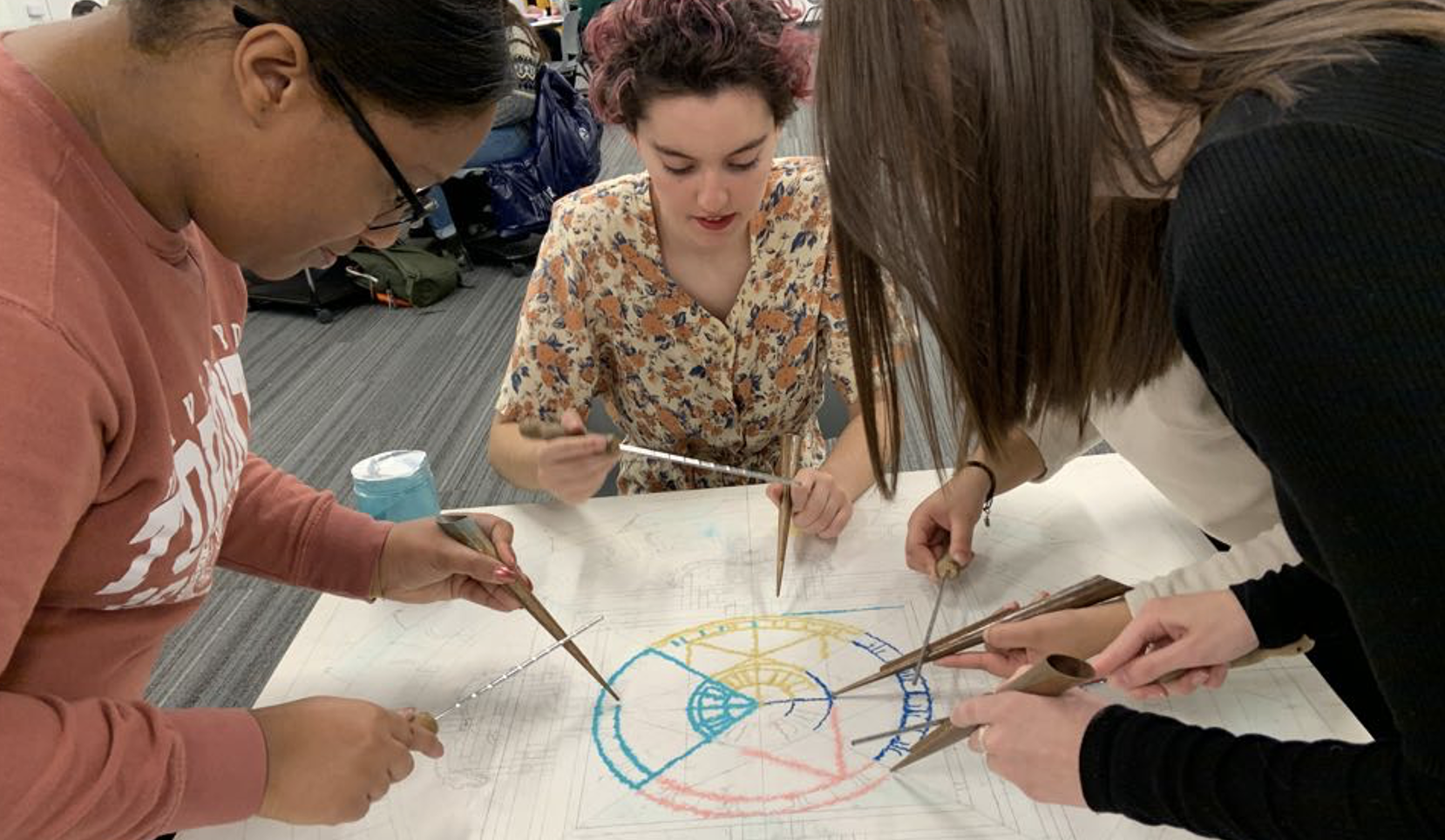
Engaging Education in Buddhist Studies at work: students participating in a sand mandala workshop.
The focus on mental health and student well-being is a response to a wider trend across North American universities, where students are increasingly vocal about mental distress and the need for more support. While KF’s Academic Development Committee continues to champion the rigorous study of Buddhism at the highest levels of scholarly excellence, we are also looking for ways to back programs incorporating innovative, experiential approaches within academia that expose more students to Buddhist viewpoints and, hopefully, if not correspondingly, address the mental health crisis.
U of T’s EEBS initiative operates through four core pillars: Teaching, Communication, Connection, and Research. Each area serves the overall goal of making Buddhist studies more meaningful, accessible, and relevant.
Teaching: EEBS supports undergraduate courses by introducing modules that include hands-on, reflective activities that may promote well-being, such as meditation, movement or dance, breathing workshops, art making, and nature-based learning.
Connection: EEBS supports student peer groups such as the Buddhism and Psychology Student Union and PATH (Peers are There to Help) and connects students with Buddhist community teachers and elders via guest workshops and retreats.
Research: The team behind EEBS is studying how these approaches affect student learning and mental health, using evaluative approaches highlighted in the work of the EASE (Embodiment, Attention, Sensation, Engagement) and CAARE (Cognitive Neuroscience & AI & Agency Reflection Ethics) labs.
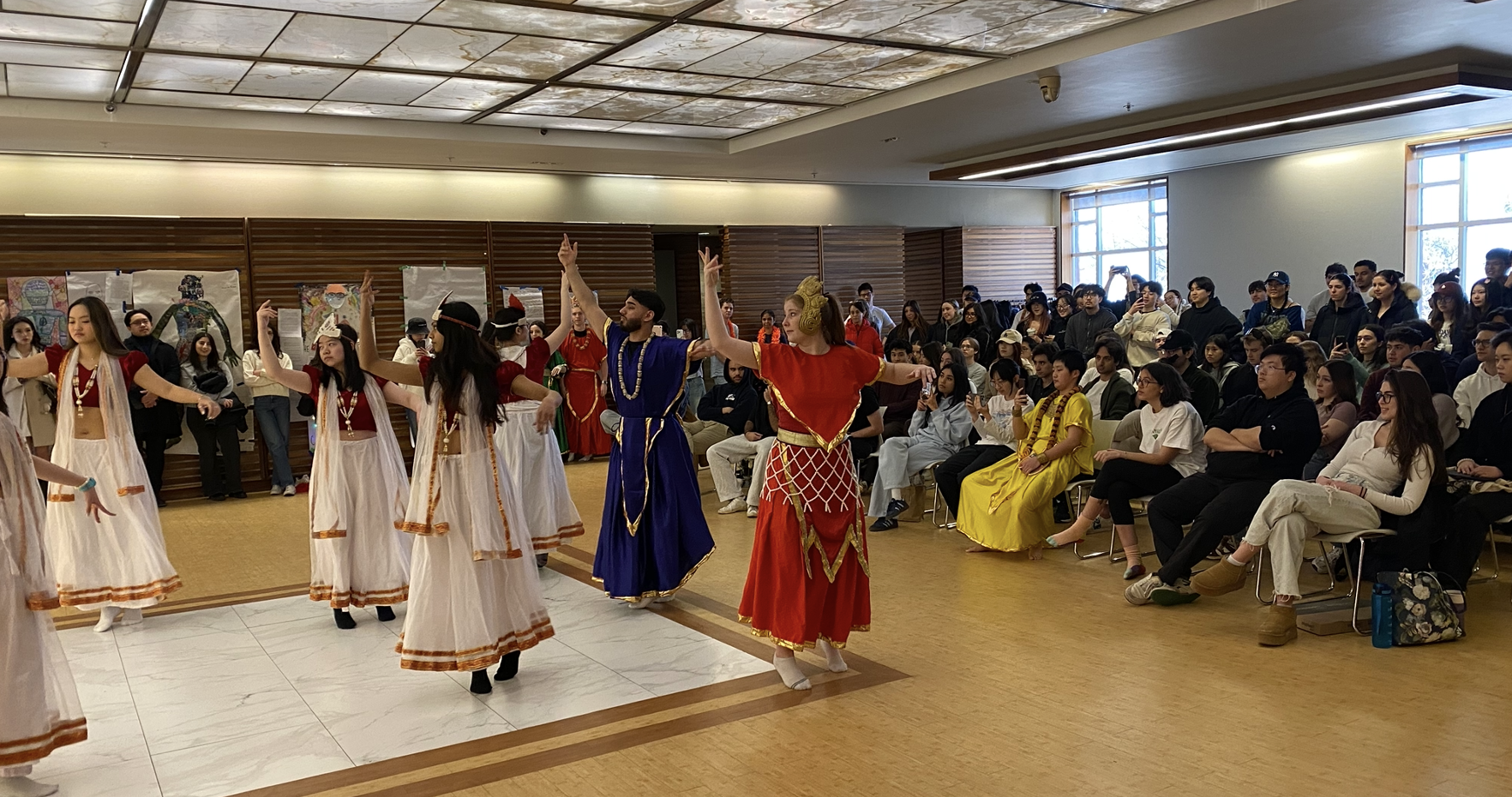
A Charya Dance student performance supported by the Engaging Education in Buddhist Studies initiative.
The EEBS initiative has been implemented in both the Department for the Study of Religion and the Department of Historical Studies and will soon expand its collaboration with the Human Biology Program, the School of Public Health, and the Faculty of Medicine. The EEBS initiative also provides modules and resources to support many of the courses within the Buddhism, Psychology and Mental Health (BPMH) minor. The largest and most popular program for Buddhist studies at the university, BPMH serves at least twice as many students as those studying Buddhism via the Religion department. Launched in 2007 with just 34 students, BPMH has grown significantly and each year supports over 300 minors and over 1,000 other students who take BPMH-related courses, many of which have long waitlists. Over half the students enrolled in the BPMH minor are science and social science majors.
Students and University of Toronto professor Dr. Elli Weisbaum, PhD (3rd from right), at a Science & Mindfulness event supported by the Engaging Education in Buddhist Studies program. Photo by Rob Walsh.
Courses underpinned by EEBS, such as Biohacking Breath, Exploring Mindful Awareness, Touching the Earth, and Art and Science of Wellbeing, take an interdisciplinary approach that helps students gain immersive exposure to Buddhist worldviews and practices. Students not only read Buddhist texts but also explore practical disciplines like mindful breathing, Buddhist ecological practices, and traditional rituals, often guided by Buddhist monastics and teachers. The purpose of exposing students to Buddhist dance practices, for example, explains Frances Garrett, associate professor of Buddhist studies and Tibetan studies in U of T’s Department for the Study of Religion, is “not to train students as ritual dancers, but rather to give them a chance ‘to think’ about Buddhism somatically.”
It cannot be denied that many are drawn to Buddhist studies courses because of Buddhism’s global reputation for promoting mindfulness, compassion, and healing. Although this approach might on the surface seem more focused on well-being than on academic rigor, it has successfully drawn students into deeper engagement with Buddhist thought. When we asked the EEBS representatives how much actual Buddhist theory is imparted in the EEBS-supported classes, the response was a resounding “All of it is about Buddhism!” All EEBS course components are grounded in Buddhist philosophy and paired with reading, reflection, and writing, encouraging students to engage intellectually and emotionally with the Buddhist texts and themes they explore.
The results speak for themselves. Many BPMH students have gone on to pursue graduate programs in Buddhist studies, Buddhist chaplaincy (U of T’s Buddhist chaplaincy program has more applicants than it can accept), and contemplative research. Others bring what they’ve learned into careers in mental health, education, or public service. And even those who move on to seemingly unrelated disciplines are left with a very positive impression of the Buddhist-informed program. Consider the very popular Meditation and the Body course, taught by neuroscientist Paul Whissell, where one student remarked that it was the only time she had “witnessed a room of over 100 students applaud at the end of a 3-hour lecture.” A second-year economics major stated, “No other counseling or mental health service has helped me as much as my perception of life learned from the materials and lectures [in the BPMH program].” Another student majoring in religion and philosophy wrote, “Courses in the BPMH program have offered more insight to healing than all the other courses I’ve taken at U of T combined.”
Khyentse Foundation funds enriching the community with an “Evening of Music, Meditation, and Poetry.” Photo by Rob Walsh.
During his July 4, 2025 public talk “Supporting Resilience and Mental Health in the Age of AI” at U of T, Rinpoche was asked how a psychiatrist, confined to a medical model within a hospital system, might introduce Buddhism into her practice. Rinpoche responded that “it’s a very difficult project” and pointed to the frustration many Buddhists feel “when Buddhism gets [put solely] into the basket of religion.” Like U of T or Harvard today, the ancient Indian Buddhist university of Nalanda, which was a pinnacle of academic excellence in the world for over 700 years, was where “people studied about the truth, about mind, about matter.” The interdisciplinary focus of the EEBS initiative, it might be said, brings Buddhism beyond the “basket of religion,” exposing students to more of Buddhism’s many dimensions.
With KF funding, the EEBS program equips students with Buddhist-informed practical tools to navigate the inevitable challenges of being human. For many, EEBS-supported courses are their first meaningful contact with Buddhist thought and practice and often become a turning point in both their academic and personal paths. The EEBS approach not only helps young adults develop an intellectual understanding of Buddhism, as would KF’s more traditional academic support, but launches them into the world with life-changing internal and external resources—a gift that is likely to ripple far beyond any university campus or city skyline.
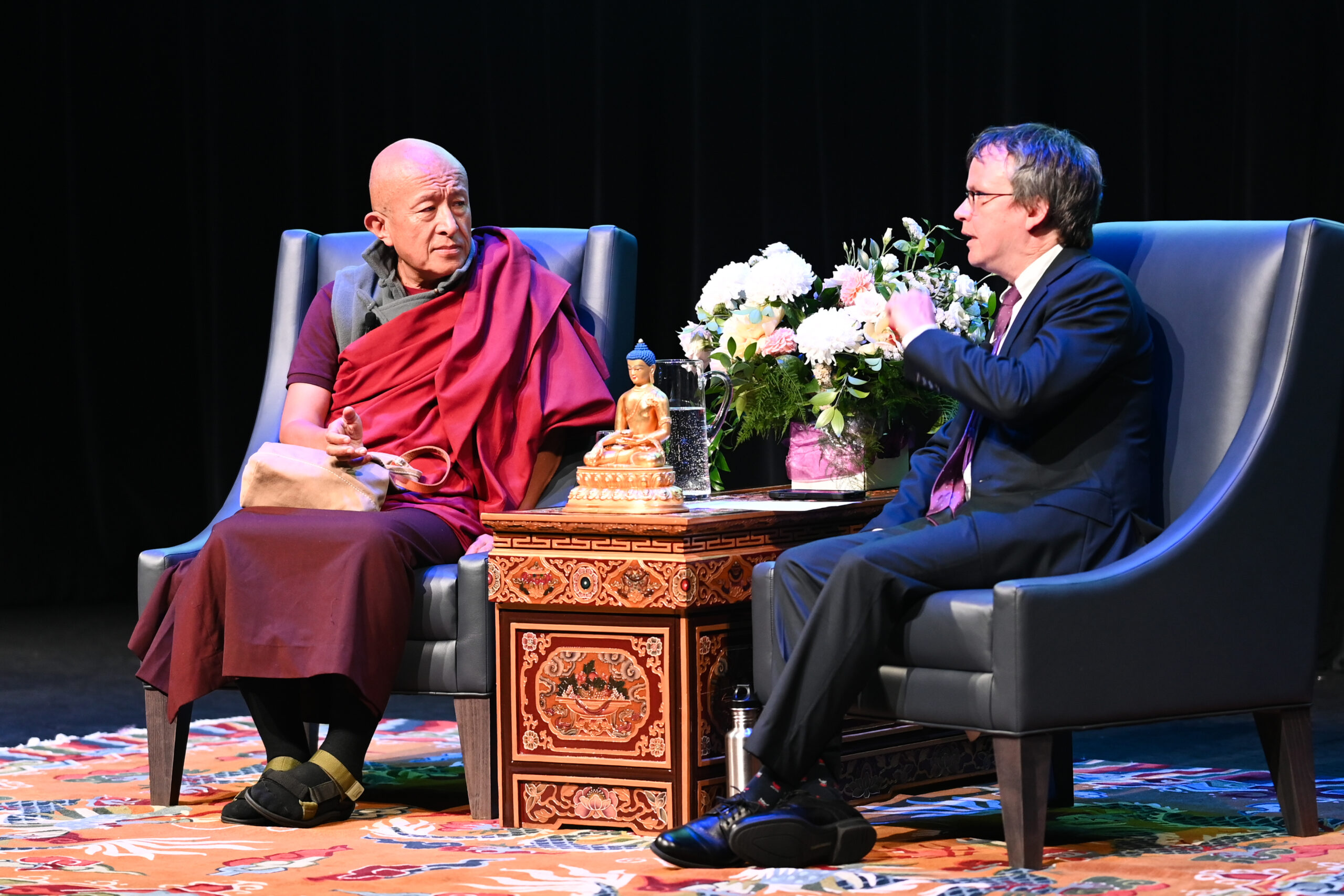
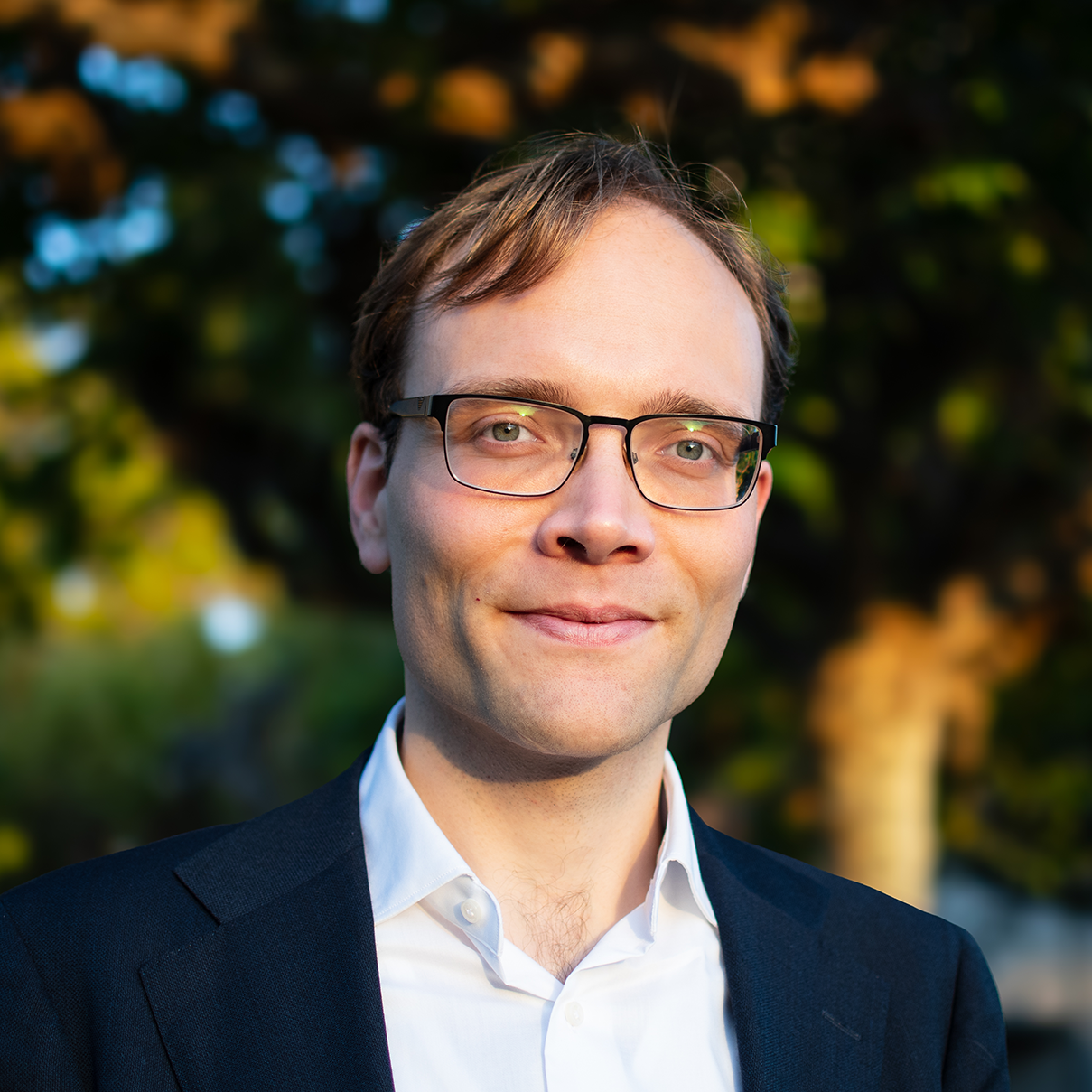
Featured image above: Dzongsar Khyentse Rinpoche with Rory Lindsay, assistant professor in the Department for the Study of Religion at the University of Toronto, 2025. Photo by M. Tiutiunyk, The Robert H. N. Ho Family Foundation Centre for Buddhist Studies, University of Toronto.
All uncredited photos courtesy the University of Toronto.
This talk will provide an overview of the tools that the Dharmamitra project currently offers the Buddhist Studies community, with a focus on machine translation and cross-lingual search for philological use cases.
Prof. Mattia Salvini Dharmavardhana Jñānagarbha of the International Buddhist College, Thailand, held the visiting professorship in April and May 2024.
KF established the chair—the first the foundation has supported in Asia—in 2022 with a generous matching fund from the Buddhist foundation Yayasan Pema Norbu Vihara.
Enlightenment in Dispute: The Reinvention of Chan Buddhism in 17th-Century China (Lecture in Chinese)
January 10, 2025
Bymaryann
This lecture centers on the recent translation of Professor Jiang Wu’s monograph, offering a comprehensive examination of the complex history and reinvention of the Chan Buddhist tradition in 17th-century China.