Translating the Words of the Buddha
A KF25 Special Edition on KF’s Translation Projects
Translation of Buddhist texts, in combination with their preservation and distribution, was one of the first five initiatives that Khyentse Foundation undertook. Over the years, the foundation has incubated four major, multi-year translation projects: 84000, Khyentse Vision Project, the Kumarajiva Project, and DJK Chinese Translation. Read how these projects are progressing in the updates below.
Translation of Buddhist texts, in combination with their preservation and distribution, was one of the first five initiatives that Khyentse Foundation undertook. Over the years, the foundation has incubated four major, multi-year translation projects: 84000, Khyentse Vision Project, the Kumarajiva Project, and DJK Chinese Translation. Read how these projects are progressing in the updates below.
Translation into English
84000: From Aspiration to Engagement
A Shared Journey with Khyentse Foundation
Contributed by Huang Jing Rui, executive director, 84000
The Incubation: A Historic Translation Initiative
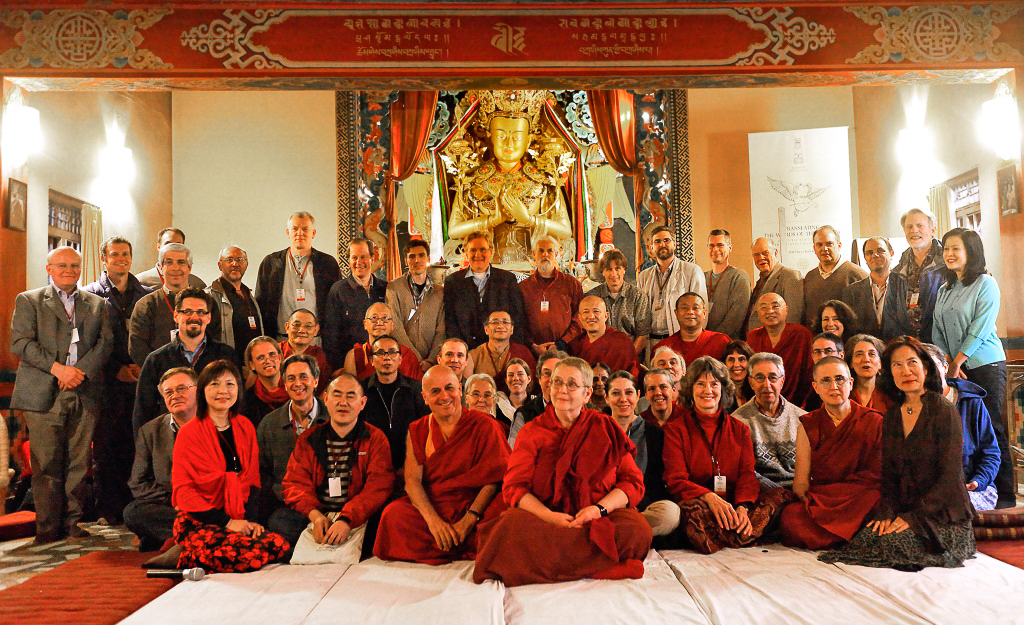
The origins of 84000: Translating the Words of the Buddha can be traced to a pivotal gathering that Khyentse Foundation hosted at Deer Park Institute in India in 2009, when 50 eminent scholars, translators, teachers, and practitioners came together to imagine the future of dharma translation.
At that time, less than 5 percent of the Tibetan Buddhist canon had been translated into any modern language. An ambitious 100-year goal was set to translate the entire canon—70,000 pages of the Kangyur and 161,800 pages of the Tengyur—into English and other modern languages, and to make the translations available at no cost to all. Under Dzongsar Khyentse Rinpoche’s leadership, with the clear intention that 84000 would be a nonsectarian organization, KF committed to providing the administrative support to ensure that the initiative would be incubated into an organization that was both independent and self-sustaining.
Immediately after the conference, proof-of-concept translations were begun and Rinpoche appointed a working committee. In the early years, KF provided strategic guidance and brought together 108 founding sponsors, who contributed US$5 million in seed funding to lay a firm financial foundation for the massive endeavor ahead.
In 2013, 84000 obtained independent status as a 501(c)(3) nonprofit organization, marking an important step in our growth while continuing to build on the vision that KF first established.
The Accomplishment: 50 Percent of the Kangyur Published, 80 Percent Translated
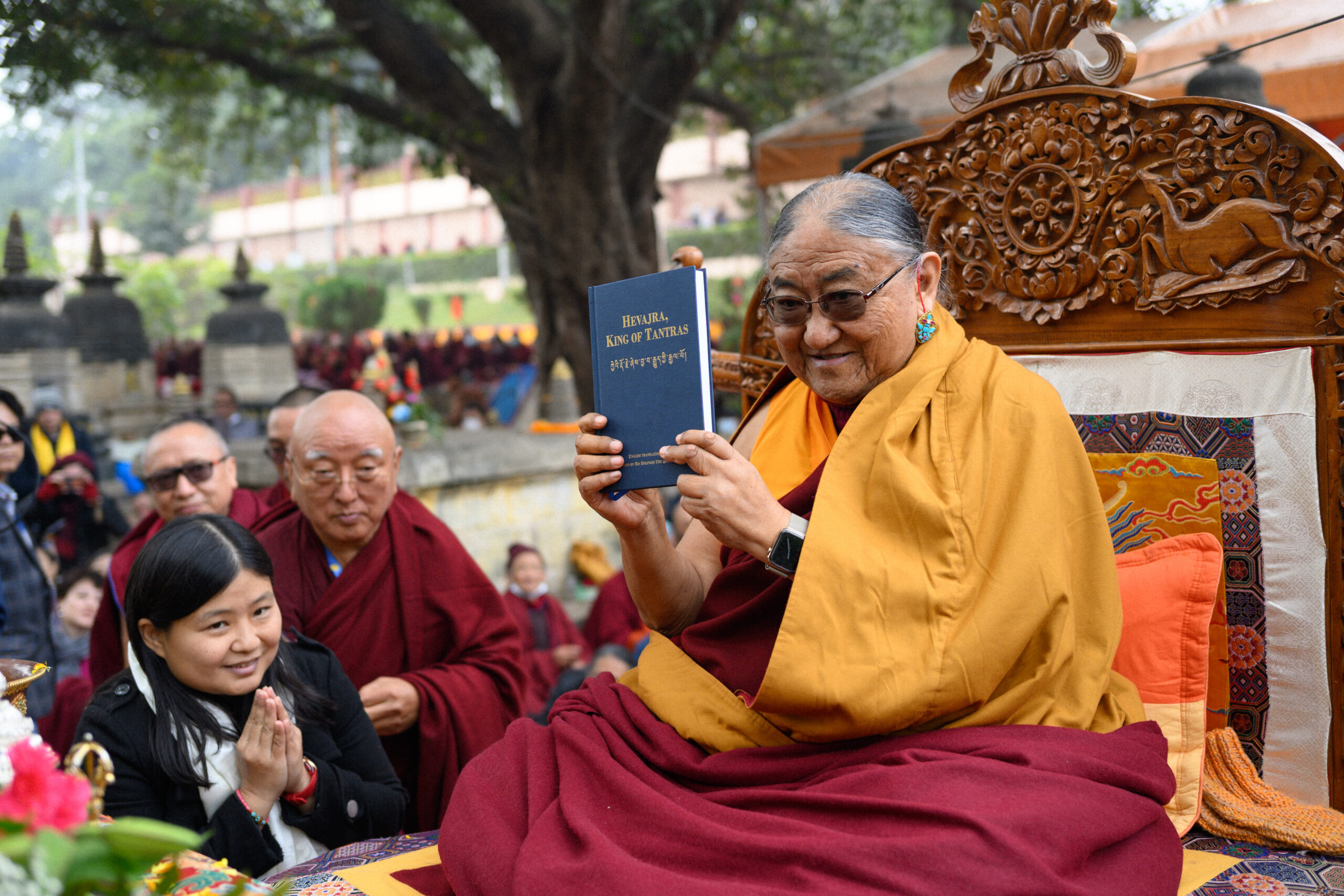
Over the past 16 years, 84000 has grown into a global collaboration of translators, editors, and scholar-practitioners. Together, we have made substantial progress toward translating the Kangyur. Today, more than 80 percent has been translated into English and more than 50 percent has been published and made available to readers worldwide. Our open-access digital platform is beginning to reach new audiences. This year, we reached a new milestone, with our site averaging 100,000 unique visitors each month. Work on the Tengyur has also begun. This progress reflects not only the dedication of individual contributors but also the strength of an ecosystem that KF helped to bring into being.
The Evolution: From Translation to Engagement
While 84000’s initial focus has been on translation into English, the goal set in motion at Deer Park Institute was to make the Buddha’s words available across many languages. Now, standing at this milestone, 84000 is in a position to return to and build upon that original aspiration.
What began as a translation initiative is now evolving into an engagement initiative. The challenge today is no longer only how to translate texts but also how to ensure they are meaningfully available across many different languages, levels of familiarity, and modes of learning. In this sense, 84000’s work is entering a new chapter, one that focuses on opening gateways to the collection so that these texts can be encountered, understood, and engaged with by the widest possible audience.
This shift comes at a moment of profound technological change. Advances in artificial intelligence (AI) are already reshaping translation, research, and publishing. New AI tools are also changing how people find and make sense of information and redefining how we seek knowledge. For 84000, this presents not only opportunities to enhance our mission but also deeper strategic questions about how timeless wisdom can meet emerging intelligence responsibly.
84000’s AI Strategy
84000’s AI strategy is built on three guiding pillars: assisting translation, protecting authenticity, and expanding the beneficial impact of Buddhist wisdom through public engagement and ethical alignment.
First, we are exploring how AI may assist the scholar across various stages of the translation process, including source text comparison, version analysis, reference material research, glossary consistency, and workflow efficiency.
Second, authenticity remains non-negotiable. These texts carry deep spiritual and philosophical significance, and every translation must remain faithful to meaning, lineage, nuance, and scholarly rigor. Technology may assist the process, but stewardship remains a human responsibility.
Third, we see opportunities to expand access and amplify the beneficial impact of the canon. In addition to using AI tools to help readers discover, navigate, and engage with the canon in new ways, we are also partnering with AI alignment researchers and scientists to explore how our translated corpus of Buddhist texts and network of dharma teachers and scholar-practitioners can contribute to the ethical alignment of current and future AI systems.
The rise of AI also sharpens our understanding of what must always be central: discernment, contemplative insight, ethical judgment, and the sincere motivation to benefit others.
Looking Ahead
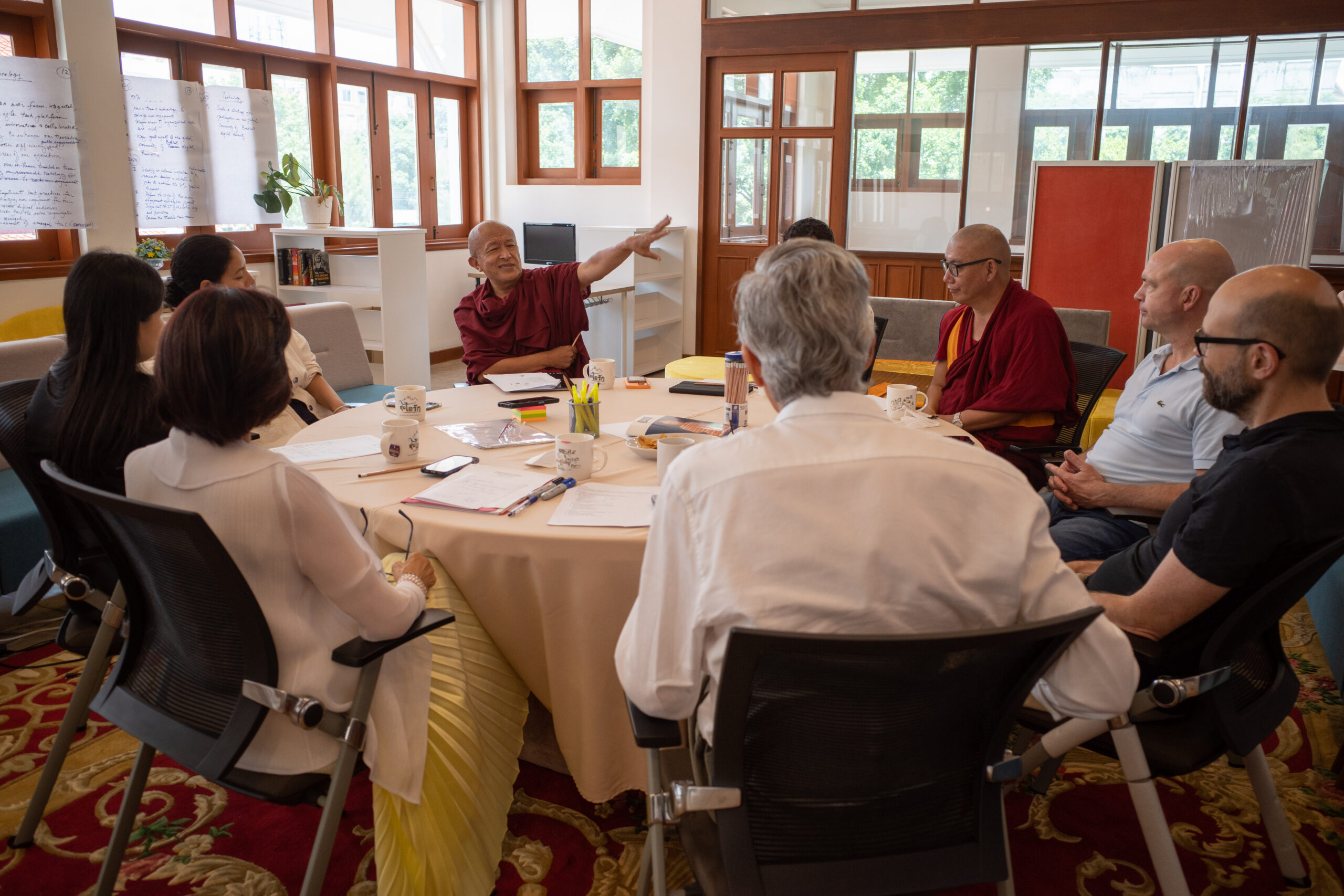
Looking ahead, the work of translation and engagement will continue to unfold over decades. What was once a largely inaccessible body of literature is steadily becoming available to a global audience. More importantly, it is now possible to imagine new ways of engaging with these texts through digital tools, multilingual pathways, emerging forms of guided exploration, and personalized content.
84000’s story is inseparable from that of Khyentse Foundation. The initial incubation was not only financial and administrative—it was an expression of commitment to a long-term vision, which has brought us to where we are today.
Khyentse Vision Project
Contributed by Dolma Gunther, executive and creative director, and Casey Kemp, editorial director, Khyentse Vision Project
Preserving the Lineage, Embracing the Future
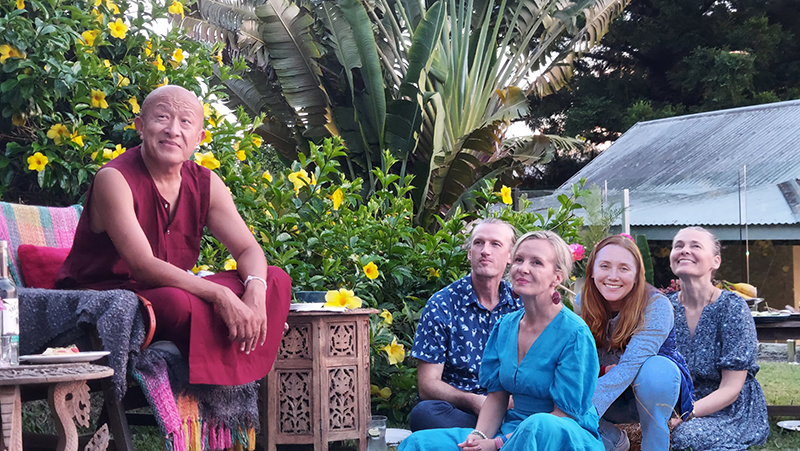
Khyentse Vision Project (KVP) was founded in 2021 with the intention to make the writings and treasures (termas) of the Khyentse lineage masters widely accessible to practitioners and scholars across the world. KVP’s scope is defined by the extraordinary legacy of Jamyang Khyentse Wangpo and the masters carrying his vision forward. This focus gives KVP its distinctive character—every translation is an act of transmission of a living tradition that acts as a vehicle for awakening.
The charge of that task is immense. KVP focuses on two major collections, Khyentse Wangpo’s Collected Works (Kabum) and Seven Transmissions (Kabab Dun), totaling over 30,000 Tibetan pages, and the project has recently expanded to include texts composed by other Khyentse lineage masters as well. Spanning meditation instructions, philosophical treatises, sadhanas, treasure cycles, songs, and pith instructions from across all traditions of Tibetan Buddhism, these collections demand not only linguistic mastery but deep familiarity with the full range of Vajrayana practice and scholarship. Our team is therefore made up of scholar-practitioners who work closely with lineage masters and Himalayan scholars to ensure authentic and reliable translations. KVP’s priority is to provide practice resources for Khyentse lineage practice communities worldwide, especially translations of Khyentse Wangpo’s treasure cycles, which form the heart of the tradition.
Khyentse Foundation has been the bedrock of this work from the outset. With their foundational support, KVP has gathered a team of talented translators, editors, and tech specialists; built an innovative platform where individual readers can engage with these texts in meaningful ways; and produced creative initiatives and events connecting practitioners worldwide. As KF marks its 25th anniversary, it is worth pausing to consider what has been built in just a short time.

A Year of Exceptional Growth
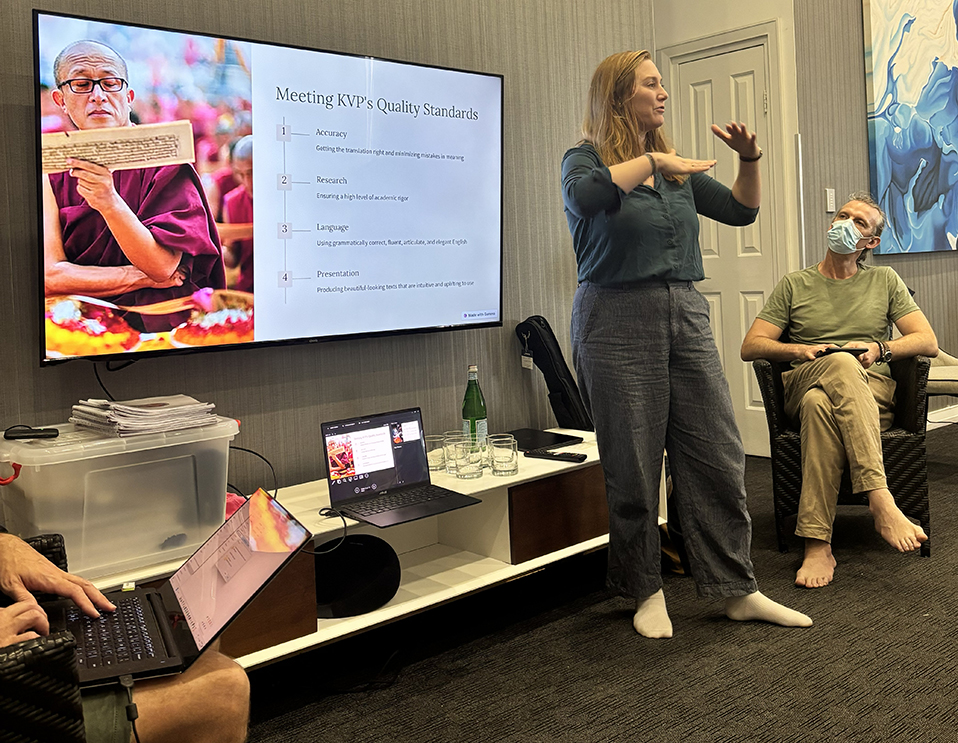
The past 12 months have marked a turning point in KVP’s translation and editorial capacity. The team published over 100 texts across diverse Buddhist genres, a 150 percent increase over the previous year. An additional 4,500 pages are currently moving through the project’s rigorous editorial workflow, representing a 120 percent increase in pages in process. This acceleration reflects not only expanded team capacity but the deeper systematization of how KVP works: enhanced workflow automation and oversight, standardization initiatives and glossary refinement processes, and the ongoing development of quality assessment frameworks. These improvements represent a maturing organization that takes seriously the responsibility of transmitting complex Vajrayana literature with precision and care as it enters its fifth year.
Embracing Innovation
Perhaps the most distinctive feature of KVP’s current chapter is its engagement with AI and technical innovation as carefully considered tools in service of quality and sustainability. The question KVP asks is not whether to use AI, but how to use it wisely without compromising the integrity that makes this work meaningful.
To that end, the team has developed Loshimi Translation Studio, a custom-built platform that integrates computer-assisted translation technology with AI-powered research and editorial support. Within Loshimi, AI functions as a sophisticated consultative aid supporting translators with aligned translation segments, dictionaries, glossary management, and research while human translators and editors retain full authorial authority. Reliance on AI-generated output is tracked within the tool itself, building in accountability and preventing the passive acceptance of machine suggestions. Alongside Loshimi, KVP has released a translation memory alignment model that outperforms existing tools by over 20 percent in accuracy and 70 percent in speed, which is freely available for others in the field to use. KVP’s stance is that AI, when used carefully, can help translators and editors work more accurately, more efficiently, and more sustainably.
Looking Ahead
Over the next 12 months, KVP will be pressing forward on multiple fronts: targeting another 100 percent increase in publication output with over 200 texts being published, implementing further workflow automation, and strengthening team training and culture. Beyond translation work, we are also planning to build AI-powered study tools, an interactive 3D archive of Khyentse lineage treasure objects, and immersive online sadhana experiences. Each of these initiatives embodies our vision to creatively bring to life the Khyentse masters’ profound teachings and legacy for contemporary and future generations of practitioners.
The work of translation is inseparable from the work of transmission. KVP is grateful to Khyentse Foundation and its donors for making both possible.
Translation into Chinese
The Kumarajiva Project
Contributed by Pema Namgyal, editor, The Kumarajiva Project
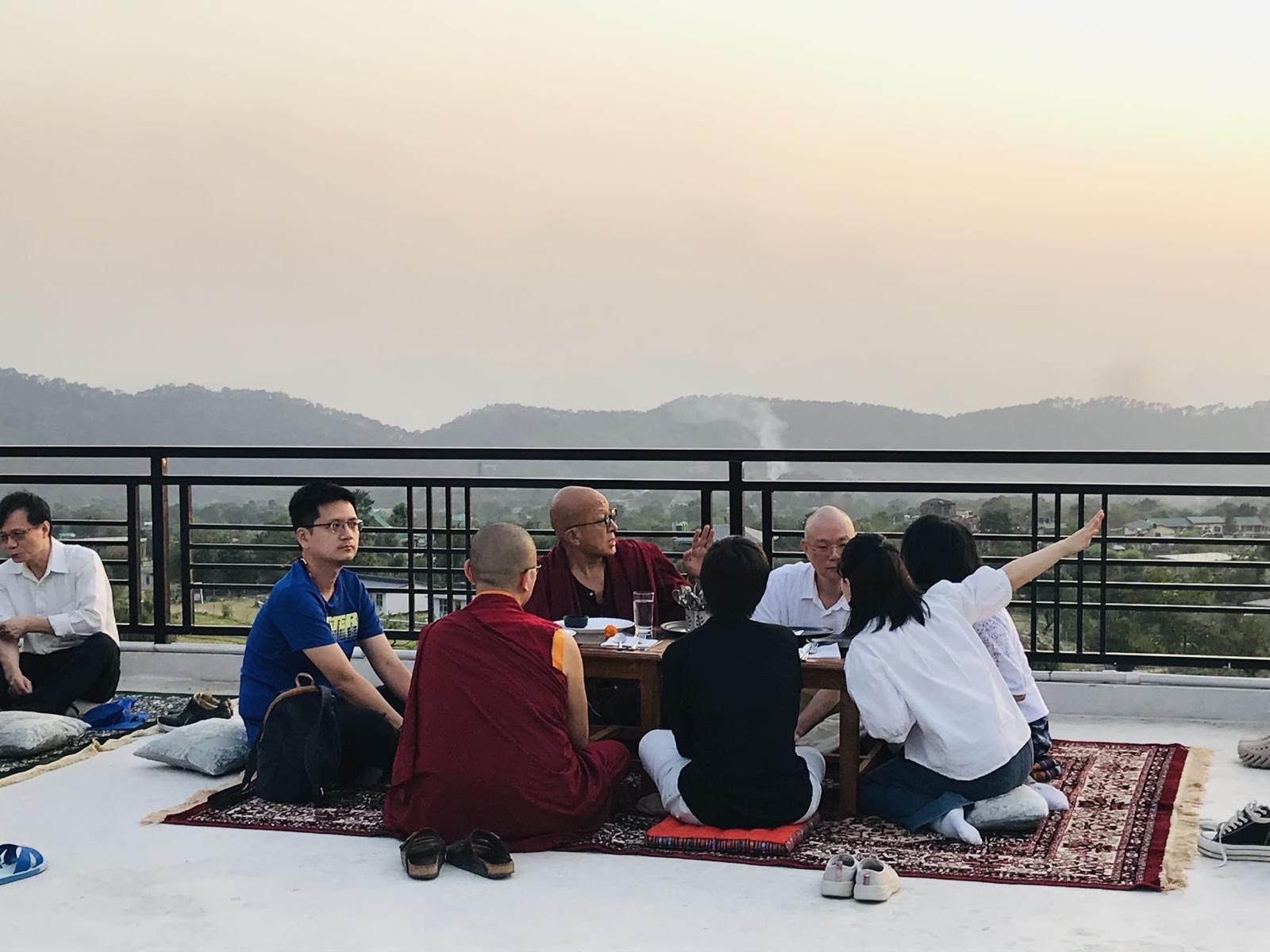
Launched officially in 2019, the Kumarajiva Project is a groundbreaking endeavor to produce Chinese translations of texts in the Tibetan Buddhist canon that currently do not exist in Chinese. While the Chinese Buddhist canon is already profound, many texts are preserved only in other canonical languages like Tibetan, Sanskrit, and Pali. These are therefore inaccessible to Chinese readers at present.
The project’s Chinese name, 圓滿法藏·佛典漢譯 Yuan-Man Fa-Zang (YMFZ), conveys our mission to “enrich and complete the treasury of Chinese Buddhist scriptures.” Its English name, on the other hand, was chosen by Dzongsar Khyentse Rinpoche in honor of the great translator Kumarajiva (344–413) and reflects the aspiration to emulate Kumarajiva’s lifelong dedication to translating the Buddhadharma and making it widely accessible. Similarly, with the intention of reaching as many Chinese-speaking people as possible, the project works to translate texts into both classical and modern Chinese. We also arrange online programs and activities in the hope that even more people will have the chance to appreciate the wisdom contained in the Buddhist texts.
The Tibetan Buddhist canon consists of two major categories: the Kangyur—the collected words of the Buddha, and the Tengyur—the treatises (shastras) and commentaries that interpret and elaborate upon those teachings and the philosophical foundations as preserved in Tibetan. The history of translating Buddhist texts into Chinese is long and well established, with numerous translated texts already in existence. Nevertheless, many texts that were transmitted to Tibet have yet to appear in the Chinese-speaking world.
“The Buddhism that exists in the Chinese language ends up becoming very important. It’s like you have fire and you want to make more fire. This is the source of fire, so trying to keep this source alive [is important]. And then you can make more fire from here. In my mind, Thailand, Sri Lanka, Tibetan, Chinese, these are like the source. … So, that’s sort of the underlying motivation to keep this alive. … It would be heart-breaking to forget these sutras, so we will have to do it (translate them).”
— Dzongsar Khyentse Rinpoche
If we think of the Chinese Buddhist corpus as a massive puzzle, then what we are striving to do is to bring it closer to completion. Each piece is equally vital to the whole, as the Buddha taught according to the capacities of his audience, offering different teachings suited to different times, places, and beings. These pieces illuminate one another, serving as mutual points of reference. For this reason, every teaching of the Buddha is worthy of being preserved, translated, and transmitted. It is this conviction that sustains us as we continue along this path.
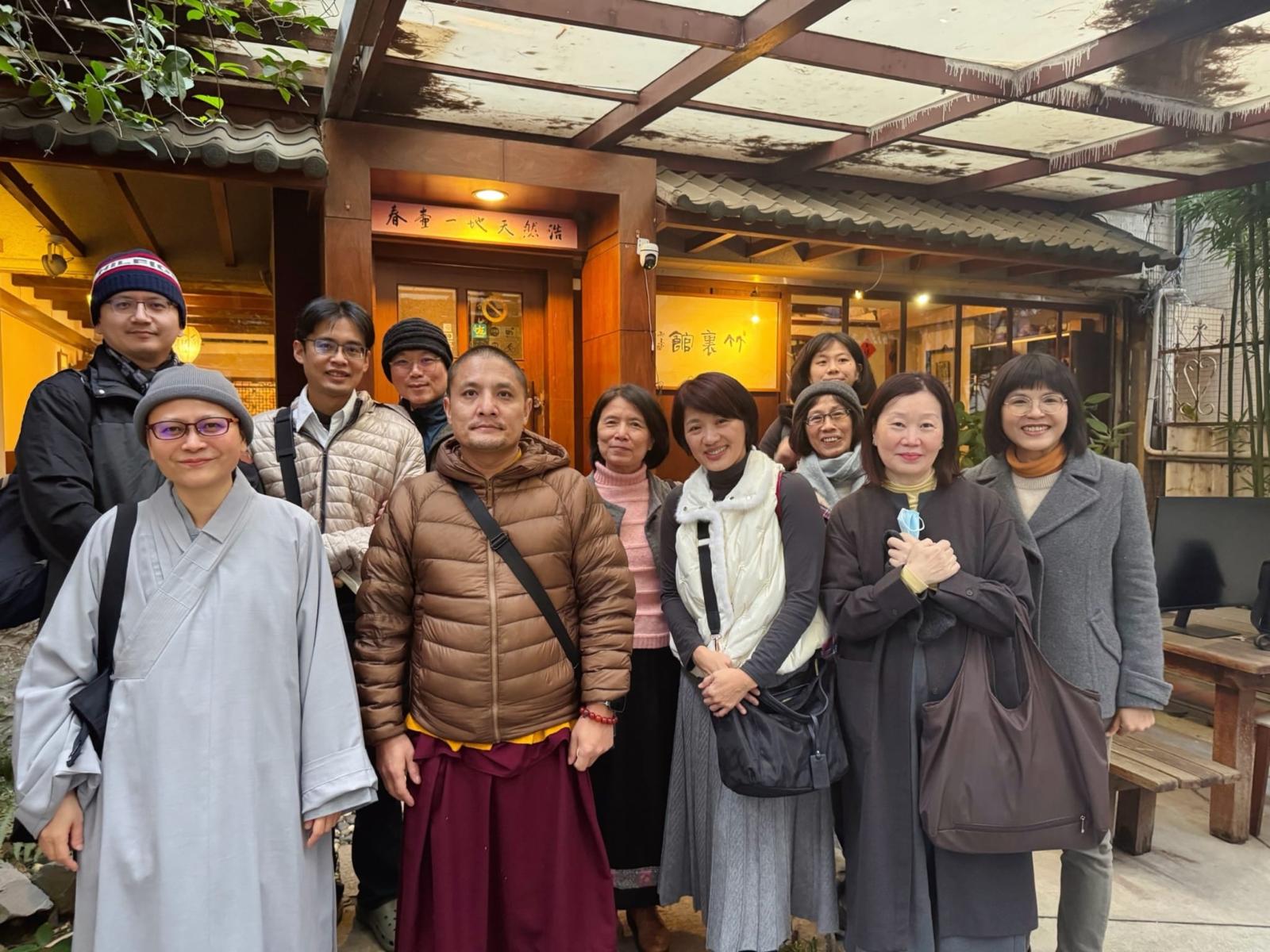
The Buddha realized the true nature of all phenomena, and each text carries his insight as expressed from different perspectives. The translation of a single new text not only brings the puzzle closer to completion but also opens up possibilities for readers to engage in dialogues between new and already existing texts. This allows readers to more fully appreciate the Buddha’s all-encompassing wisdom and to deepen their confidence in the dharma.
To further our translation efforts, the Kumarajiva Project integrates the traditional way of studying the texts with the work of translation, requesting oral explanations from khenpos or other learned teachers after the first draft has been prepared. In so doing, we seek to foster continuity and coherence between newly translated works and the existing Chinese canon, while also bringing readers closer to the texts.
Over the years, we have already produced a substantial body of translated works. We are also committed to training a new generation of Tibetan-to-Chinese translators to ensure the quality of translations into the future. Looking ahead, we will continue to connect with senior translators, nurture a new generation of translators, build collaborative teams, and expand participation—all in the spirit of contributing to the living treasury of the Buddha’s teachings, piece by piece.
DJK Chinese Translation
Contributed by the DJKCT team
DJK Chinese Translation (DJKCT) is dedicated to translating the key works of the Khyentse lineage masters from Tibetan into Chinese, with the goal of serving Chinese-speaking dharma practitioners and students of Buddhism. The project was initiated by Khyentse Foundation in 2023 and is fully supported by the foundation.
The project’s principal translation corpus at present includes the Collected Works (Kabum) and Seven Transmissions (Kabab Dun) of Jamyang Khyentse Wangpo, the Collected Works of Jamyang Khyentse Chökyi Lodrö, and related compositions by the third Khyentse, Dzongsar Jamyang Khyentse Rinpoche. The literary legacy of the Khyentse lineage encompasses a vast range of teachings spanning both Sutrayana and Tantrayana, integrating profound doctrinal expositions with authentic practice instructions. The availability of reliable and fluid translations facilitates both study and practice for Chinese readers. As such, our translations place particular emphasis on fidelity to the original meaning and clarity of presentation.
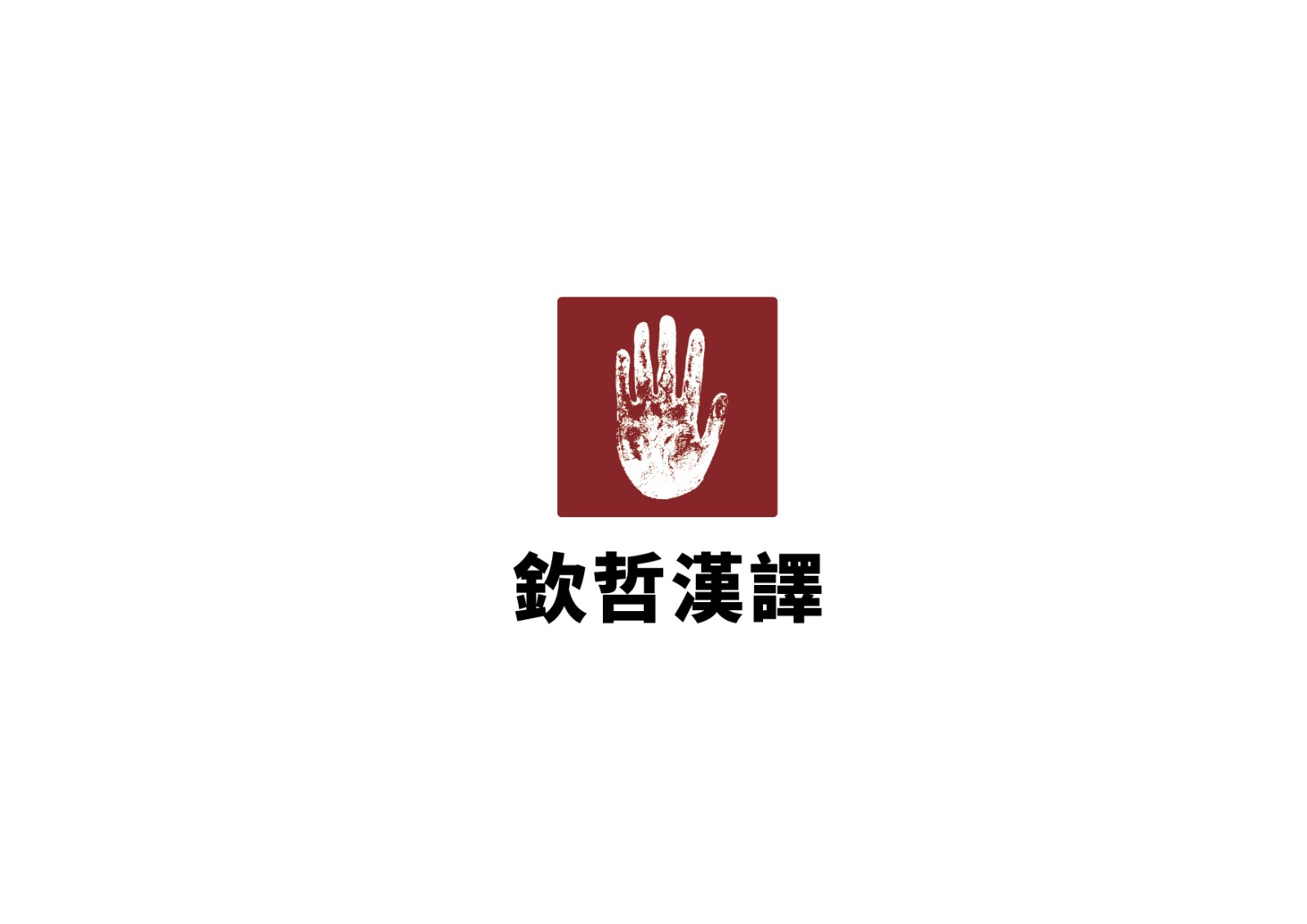
At Dzongsar Khyentse Rinpoche’s suggestion, the project uses Jamyang Khyentse Wangpo’s left handprint as its logo, which symbolizes the tantric teachings. The logo also serves as a reminder that our translation work is inseparable from the continuity of the lineage itself, each translated text representing an effort to preserve the teachings for future generations.
To date, completed translations are primarily in the genres of praises, mind training, and doctrinal treatises, as well as sadhanas from various cycles. Currently, the translations are available primarily through Siddhartha’s Intent and Khyentse Foundation. We are also developing a dedicated website that will serve as the central hub for all the translated works.
Featured image above: Participants at the pivotal gathering that Khyentse Foundation hosted at Deer Park Institute in India in 2009, when 50 eminent scholars, translators, teachers, and practitioners came together to imagine the future of dharma translation. Photo courtesy 84000: Translating the Words of the Buddha.